
Get A Trade Today!
All these certifications can be game changers for you and your family, get started today.
Jeremiah 29:11 For I know the plans I have for you,” declares the Lord, “plans to prosper you and not to harm you, plans to give you hope and a future.
No Experience or Degree Required
Start today for free and decide if these careers are for you.


Getting a construction management certification and license validates your expertise, unlocks senior leadership roles, and boosts your earning potential. Certified professionals often earn 10% more than their uncredentialed peers. Nationwide, the median salary for construction managers ranges from $105,000 to $112,000, with top-tier managers and executives exceeding $150,000 annually.
Earn 50k 100k in Plumbing
Getting a plumbing certification and license is essential for legal compliance, career advancement, and high earning potential. Licensed plumbers earn an average salary ranging from $55,000 to over $100,000, depending on location and experience. Master plumbers and self-employed contractors can push that range significantly higher.
Why Get Certified and Licensed?
Legal Requirement: In many states, commercial projects and specific residential jobs require state-issued licenses to perform and complete work legally.
Higher Earning Potential: Licensed journeymen and master plumbers command premium rates compared to uncertified apprentices.
Business Ownership: A master plumber's license is generally required to start your own plumbing business, pull building permits, and hire apprentices.
Code Compliance & Safety: Certification ensures you understand health, safety, and environmental standards, helping prevent code violations and dangerous situations such as gas leaks or water contamination.
Job Security: Plumbing is a recession-proof, essential trade with a high demand for skilled professionals.
Plumbing Salary Ranges
Pay scales scale drastically with experience and the acquisition of advanced credentials. The typical tier breakdown includes: [1]
Apprentice: $36,000 – $45,000 per year (Often includes paid on-the-job training).
Journeyman: $55,000 – $75,000 per year (Able to work independently and oversee apprentices).
Master Plumber / Contractor: $75,000 – $125,000+ per year (Can run a business, bid on public contracts, and pull permits)




No Tech Skills Required
After getting License start at 80k
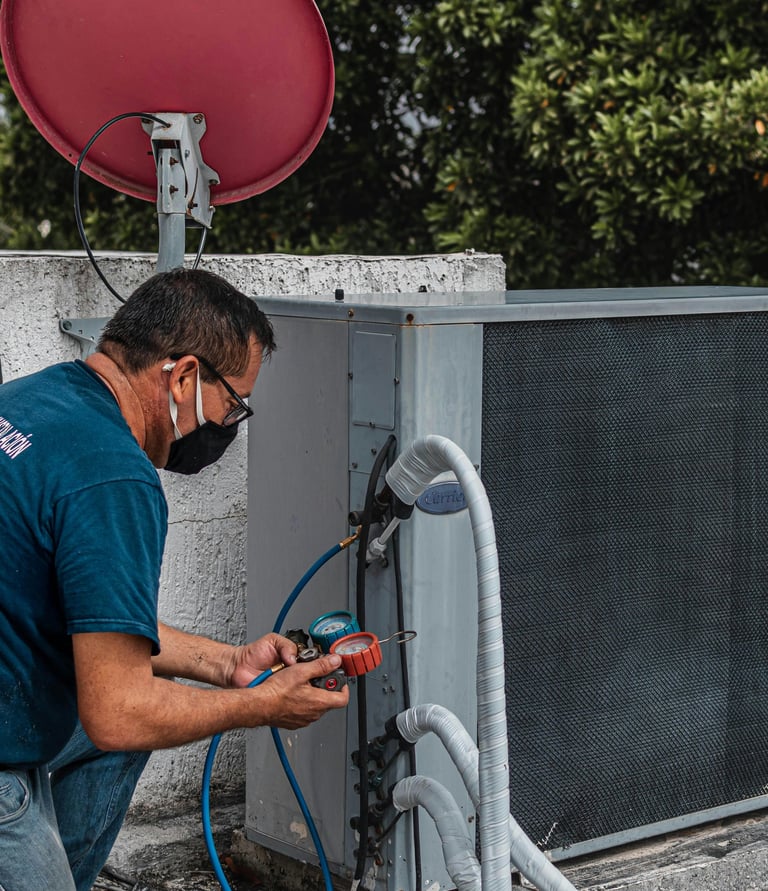
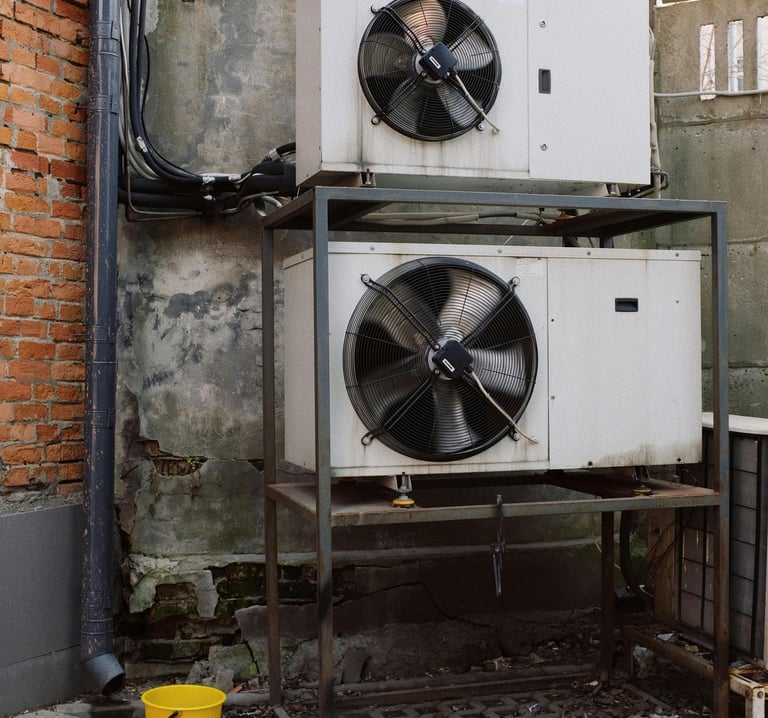
Earn 50k 100k in HVAC
Getting an HVAC certification and license is essential for maximizing your earning potential, unlocking career flexibility, and ensuring compliance with federal and local laws. Licensed and certified professionals typically earn $10,000 to $20,000 more per year than their unlicensed peers.
Why Get Certified and Licensed?
Federal Requirements: The EPA requires nearly all technicians to hold an EPA 608 Certification to handle and work with refrigerants.
Higher Earning Potential: Employers and clients frequently pay certified technicians a premium. Certifications (like NATE) prove advanced skill and dedication to your trade.
Business Ownership: Many states—including Ohio—require specific state-issued licenses to work on commercial projects, hire other contractors, or operate your own independent HVAC contracting business.
Employability: A license separates you in a competitive job market and gives you access to a broader array of lucrative job opportunities.
Salary Range
Industry data indicates that HVAC salaries typically fall between $45,000 and $85,000+ annually, but earnings vary heavily depending on experience and location:
National Average: Around $59,620 per year
Local to Ohio (Columbus Area): Average earnings are generally around $58,000 annually, while highly experienced technicians and supervisors can command $80,000 to $100,000+ per year.
Apprentices: Starting pay is typically about half of the experienced technician rate but scales up as you gain real-world hours
No Tech Skills Required
After getting License start at 80k
Earn 50k 100k in Electrian
Getting certified and licensed as an electrician validates your expertise, unlocks higher earning brackets, and is legally required to pull permits or run your own business. The national median salary for an electrician ranges from $60,000 to over $100,000, heavily depending on location, experience, and licensure level.
Why Get Certified and Licensed?
Legal Requirements: In many states and local municipalities (like cities in Ohio), it is illegal to perform electrical work without an active license.
Earning Power: Certification places you in a higher pay bracket and proves to employers, unions, and clients that you are highly skilled.
Business Ownership: Only licensed and bonded electricians can legally pull building permits, pass inspections, bid on public projects, or operate their own contracting business.
Job Security: Trade skills are in constant demand. Licensed electricians are viewed as reliable, safe, and qualified for complex systems, reducing joblessness.
Specialization Opportunities: Licensing paves the way for advanced credentials, allowing you to branch into high-paying sectors like solar energy, industrial automation, or HVAC.
Electrician Salary Range
Your salary as an electrician scales alongside your training, experience, and specific license (from Apprentice to Journeyman and Master Electrician):
Apprentice (Entry-Level): Earns about $18.00 to $25.00 an hour, typically around $35,000 to $52,000 per year.
Journeyman Electrician: Typically earns $25.00 to $40.00 an hour, resulting in $55,000 to $80,000 per year.
Master Electrician / Contractor: Top earners can make $45.00 to $60.00+ an hour, pushing annual salaries well past $90,000 to $100,000+




No Tech Skills Required
After getting License start at 80k
Get Certified in Our Construction Management Course
Getting a construction management certification and license validates your expertise, unlocks senior leadership roles, and boosts your earning potential. Certified professionals often earn 10% more than their uncredentialed peers. Nationwide, the median salary for construction managers ranges from $105,000 to $112,000, with top-tier managers and executives exceeding $150,000 annually.
Why Get Certified and Licensed?
Higher Earning Potential: Industry surveys—such as those from the Construction Management Association of America (CMAA)—show that certified professionals can command up to 10% higher salaries and enjoy faster promotions.
Enhanced Employability: Certifications verify your operational readiness, reducing the need for employers to provide platform or safety training.
Regulatory Compliance: Many jurisdictions and commercial contracts legally require state licensing (such as a General Contractor's license) and specific safety certifications (like OSHA) to pull permits and legally manage worksites.
Risk & Liability Reduction: Credentials prove your up-to-date knowledge of building codes, contracts, and safety regulations.
The Value of Licensing vs. Certification
While the terms are sometimes used interchangeably, they serve distinct purposes in your career:
Certifications: Issued by professional bodies (like the CMAA for Certified Construction Managers, or the AIC for Certified Professional Constructors). They act as voluntary proof of specialized knowledge, ethical leadership, and software/methodology fluency.
Licenses: Legally mandated by state or local governments. If you plan to start your own contracting business, bid directly on public projects, or pull municipal building permits, you must obtain a General Contractor (GC) or Construction Supervisor license in your specific jurisdiction.
Salary Expectations
Compensation scales rapidly based on experience, location, and the scale of the projects you manage:
Entry-Level / Assistant Project Manager: $70,000 – $90,000
Mid-Level Construction Project Manager: $100,000 – $120,000
Senior PM / Construction Executive: $130,000 – $200,000+




No Degree Required
Earn 70 to 150k
Get Certified in Our Construction Estimators Course
Construction estimators accurately predict material, labor, and equipment costs to help contractors bid competitively and manage budgets. Earning a certification and license validates your expertise, drastically expands your job opportunities, and can propel your earning potential from an entry-level salary of around $52,000 into the six figures.
Why Get Certified?
Increased Credibility & Trust: Formal certifications like the ASPE Certified Professional Estimator (CPE) or AACE Certified Cost Professional (CCP) prove you adhere to strict industry standards. Employers use this to screen candidates and trust you with high-stakes projects.
Improved Accuracy: Certifications teach you exact methodologies, minimizing costly errors and overruns.
Career Advancement: Certified professionals are often prioritized for senior-level roles and leadership positions like Preconstruction Manager.
Why Get Licensed?
Legal Requirement: Depending on your state or local municipality, formal registration or licensing may be strictly required to perform estimates or bid on certain public/commercial projects.
Competitive Edge: Even if not legally mandated in all areas, holding a valid state license (such as a General Contractor license) gives you an edge over unverified competitors and clients seeking full-service reliability.
Salary Ranges
Salaries scale quickly as you develop your skills, build industry connections, and take on more complex project scopes:
Entry-Level: $52,000 per year.
Mid-Level (Senior Estimator): $80,000 - $150,000 per year.
Late-Career (Chief Estimator / Preconstruction Manager): $150,000 - $180,000 per year




No Degree Required
Earn 52k to 150k
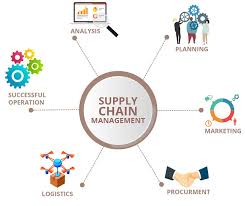
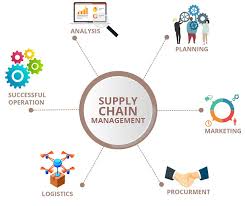
Get Certified in Our Supply Logistics Coordinator Course
A supply chain certification validates your expertise in complex operations like inventory management and transportation. It boosts hiring potential, commands higher starting salaries, and fast-tracks promotions into management. For up-to-date salary ranges, check out current job postings on Indeed or ZipRecruiter.
Salary Range
Salaries for logistics and supply chain coordinators vary based on experience, location, and industry:
Entry-Level: $45,000 – $63,000 annually.
Mid-Level/Experienced: $65,000 – $101,000+ annually.
Management & Directors: $90,000 – $220,000+ annually (depending on company size and seniority).
Why You Should Get Certified
Increased Earning Power: Professionals holding credentials—such as the ASCM's Certified in Logistics, Transportation and Distribution (CLTD) or Certified Supply Chain Professional (CSCP)—report earning up to 18% higher salaries than their uncertified peers.
Competitive Edge: Because the supply chain field can be highly competitive, a certification instantly sets you apart from other candidates who only hold a general business degree or lack formal experience.
Broader Industry Knowledge: Certifications cover end-to-end logistics, including warehousing, multi-modal transportation, and production planning. This deeper knowledge helps you optimize internal operations and minimize supply chain disruptions.
Accelerated Career Advancement: Employers value certified professionals for management tracks because it proves you have a strategic, long-term understanding of the field rather than just knowing basic administrative tasks.




No Degree Required
Working Remotely at Home or in Office.
Earn 50k to 100k
Get Certified in Our Supply Chain Procurement Course
A supply chain procurement certification proves your expertise in strategic sourcing, vendor negotiation, and cost reduction. It validates your dedication, often increasing your salary by up to 20% to 27%. Salaries range from $60,000 to $120,000 for mid-level roles and can exceed $250,000 at the executive level.
Why Get a Certification?
Getting a specialized certification gives you a clear edge in the highly competitive job market. Major benefits include:
Higher Earning Power: Professionals with recognized designations (like those from ASCM or the ISM) often command significantly higher base salaries and bonuses than their uncertified peers.
Employer Recognition: It shows hiring managers that you possess specialized, up-to-date knowledge in modern procurement strategies, risk management, and digital supply chain tools.
Accelerated Promotions: Certifications make it easier to pivot into higher-paying specialty roles like Category Manager, Strategic Sourcing Director, or Chief Procurement Officer.
Expected Salary Ranges
Procurement salaries scale impressively with experience, responsibility, and industry demand:
Entry to Junior-Level: $50,000 – $65,000/year (e.g., Buyer, Junior Procurement Specialist)
Mid-Level: $85,000 – $120,000/year (e.g., Category Manager, Supplier Analyst, Procurement Operations Manager)
Senior & Executive-Level: $130,000 – $250,000+/year (e.g., Director of Purchasing, Chief Procurement Officer)
Note: Earning certifications can push you toward the higher end of these ranges or qualify you for larger annual bonuses.
Top Industry Certifications
If you are looking to advance your career, these are the most highly regarded credentials by employers:
CSCP (Certified Supply Chain Professional): Offered by ASCM, great for end-to-end supply chain mastery.
CPSM (Certified Professional in Supply Management): Offered by ISM, specifically designed for procurement and sourcing professionals.
CIPS (Chartered Institute of Procurement & Supply): Highly recognized globally, especially if you plan to work internationally or with global vendors.


No Degree Required
Working Remotely at Home or in Office.
Earn 60k to 100k
Join Today
Serve your country with honor and build a future full of opportunities.




Training
Receive expert training and work placement assistance. Our programs can also help with interviews and resumes. Prepare today for the challenges ahead.
Benefits
high earning potential (often $50,000–$100,000+ annually), strong job security, and comprehensive perks like health insurance, 401(k) matching, and paid time off
FAQs
Who can join?
Anyone aged 18-84 who meets physical and educational requirements.
What benefits?
Financial and Career Benefits
Can I choose role?
Get health care for your family 401(k) plans with company matching are common to ensure long-term retirement savings. Bonuses: Performance-based incentives for safe driving, fuel efficiency, or longevity.
Initial training is typically four-8 weeks, with options to extend more time to become an 6 figure earner.
Yes, comprehensive training prepares recruits for various Office and remote roles.
Shawn Waters Podcast.
Explore our sleek website that will help you improve your mind, body, and soul.
Contact
© 2026. All rights reserved.